Why a Professional Roof Inspection and Estimate Matters Before You Commit
If you own a home in Austin, TX, you already know the weather can shift from blistering sun to sudden hailstorm in a matter of hours. That kind of climate puts real stress on your roof. I have seen too many homeowners wait until water is dripping into their living room before they call a roofing contractor. By then, what started as a small issue has turned into a major roof repair or even a full roof replacement. The smarter move is to get a roof inspection and estimate early, before small problems become emergencies.
A professional roof inspection and estimate is not just about getting a number. It is about understanding what is actually happening above your head. Many people assume that if they cannot see a roof leak from inside the attic, everything is fine. That assumption can cost you. Missing shingles, worn flashing around chimneys, and deteriorated sealant on vent pipes often go unnoticed until water finds its way through. That is why I always tell homeowners to treat a roof inspection like a health checkup. You do not wait for chest pain to see a doctor. You go for the checkup to prevent the pain.
What a Thorough Roof Inspection Covers
A good roofing contractor will look at far more than just the visible surface. They should walk the roof deck carefully, checking for soft spots or sagging areas that indicate water damage underneath. They will examine all roof flashing where the roof meets walls, skylights, and chimneys. Flashing that has pulled away or cracked is one of the most common entry points for water. They will also inspect roof ventilation. Poor airflow in the attic can trap moisture and heat, which accelerates aging of shingles and can lead to mold in the insulation.
The inspection should also cover gutters, downspouts, and the condition of the drip edge. Clogged gutters can cause water to back up under the shingles. And if you have metal roofing, the inspector will look for signs of rust at fastener points or corrosion around seams. Each type of material has its own weak spots. Asphalt shingles, for example, can lose granules over time, exposing the underlying mat to UV degradation. A thorough inspection catches these details.

Many contractors provide a roof inspection checklist before they start. That checklist might include items like attic moisture readings, flashings, pipe boots, and valley metal. If a contractor does not offer a checklist, ask for one. It shows they are methodical and not just giving a quick glance from the driveway.
Why the Estimate Matters as Much as the Inspection
The roofing estimate you receive should be more than a single number on a piece of paper. A reliable estimate breaks down materials, labor, and any necessary permits. It should also mention the brand and type of shingles or metal panels they plan to use. For instance, if they specify GAF or Owens Corning shingles, you know you are getting a product from a manufacturer with a strong track record. The estimate should also outline the roof warranty that comes with the work. That warranty is your protection if something fails prematurely.
A free estimate is standard practice among honest contractors. A no-obligation quote means you can take the information and compare it with other bids without feeling pressured. I have seen homeowners sign a contract on the spot because they were afraid the price would go up. A legitimate contractor will honor the estimate for a reasonable period, typically 30 days. If they push you to decide immediately, that is a red flag.
Storm Damage and Insurance Claims
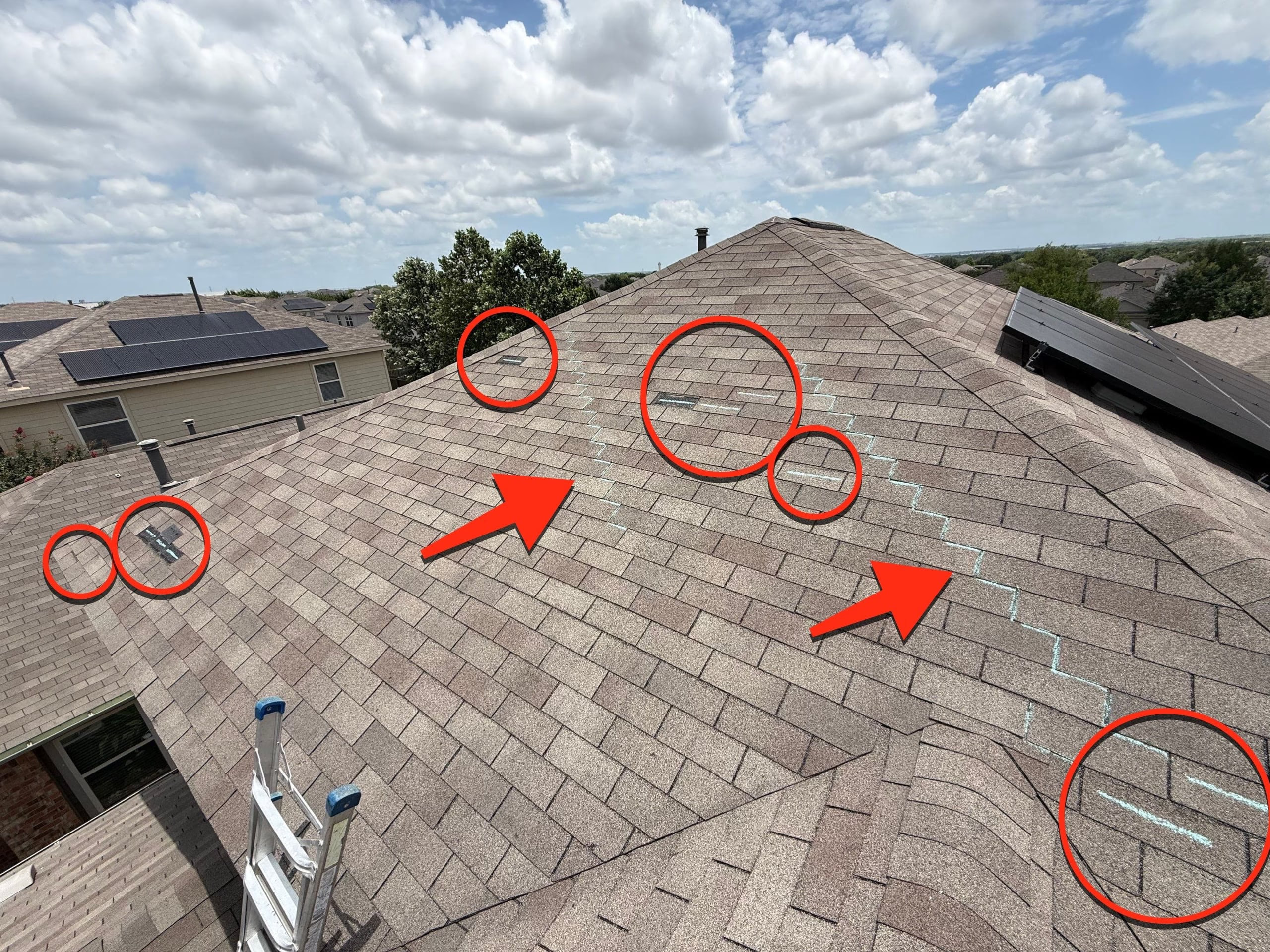
Austin gets its share of storm damage. Hail can dent metal roofing and bruise asphalt shingles so badly that they lose their waterproofing. Wind can lift shingles and tear flashing loose. After a storm, many homeowners file an insurance claim to cover the cost of repairs. This is where having a detailed roof inspection and estimate becomes critical. The insurance adjuster will want documentation of the damage and a professional estimate for the repair or replacement. A well-written estimate from a licensed roofing contractor can speed up the claims process and help ensure you receive adequate coverage.
I recommend having an inspection done before you even call your insurance company. That way, you have a clear picture of what is broken and what is not. Sometimes a roof that looks fine from the ground has hidden damage. An inspector can identify issues like cracked sealant or lifted shingles that you might miss. When you submit your claim with that level of detail, you are far less likely to get a lowball settlement.
Red Flags to Watch for in an Inspection
Not all roof inspections are equal. A quick walk around the house with binoculars is not enough. A proper inspection involves getting on the roof, checking the attic, and examining every penetration. If a contractor offers a roof inspection and estimate but does not go into the attic, be cautious. Many leaks start around plumbing vents or bathroom exhaust fans, and those are best seen from below. Also, watch for contractors who claim everything looks great without showing you evidence. A trustworthy inspector will point out both good areas and potential concerns, even if they are minor.
Another red flag is when a contractor pressures you into a roof replacement when a repair would suffice. Some less scrupulous companies try to sell a full replacement because it makes them more money. An honest roofing contractor will tell you when a repair is enough and when replacement is genuinely necessary. They should also explain why. For example, if the roof deck has rotted in multiple places, patching it may not be safe. But if only a small section of asphalt shingles is damaged, a targeted repair can extend the life of the roof without the cost of a full tear-off.
What to Expect from a No-Obligation Quote
A no-obligation quote is exactly what it sounds like. The contractor gives you a written estimate, you review it, and you decide without any pressure. You are free to get other quotes and compare. When you receive the quote, look for these elements: scope of work, materials list (including brands like GAF or Owens Corning), timeline, payment schedule, and warranty details. The best estimates also include a note about potential contingencies, such as finding rotted decking once the old shingles are removed. That transparency shows the contractor has experience and is not hiding costs.
I also suggest asking about roof ventilation during the estimate conversation. Proper ventilation extends the life of the shingles and helps prevent ice dams in colder months. Even in Austin, where freezing weather is less common, attic heat buildup can damage shingles from below. A contractor who brings up ventilation unprompted is likely thinking about long-term performance, not just the immediate job.
Making the Most of Your Roof Warranty
A roof warranty protects you against defects in materials or workmanship. But warranties have conditions. Many require annual inspections to stay valid. If you skip inspections, the manufacturer might deny a claim later. That is another reason to schedule a professional roof inspection and estimate on a regular basis, not just when you suspect a problem. An annual inspection is cheap insurance compared to the cost of a premature roof replacement.
When you do have work done, keep all paperwork, including the estimate, the contract, and the warranty certificate. Take photos of the completed work. If you ever need to file a claim, that documentation will be invaluable. Some contractors even offer a transferable warranty, which can be a selling point if you decide to sell your home.
Final Thoughts
Getting a roof inspection and estimate might feel like an expense you can skip, especially if your roof looks fine from the ground. But I have seen too many cases where a small roof leak turned into rot, mold, and thousands of dollars in extra repairs. A professional inspection gives you peace of mind and a clear plan. Whether you need a minor roof repair or a full roof replacement, starting with a thorough evaluation and a detailed estimate is the smartest step you can take. It saves money, time, and stress in the long run.